

The electric motocross landscape has shifted dramatically. If you are eyeing a used Sur-Ron Light Bee X in 2026, you are entering a market defined by intense competition and stabilized pricing.
Gone are the days of hyper-inflated used prices. Today, the secondary market for a stock, well-maintained Light Bee X has firmly settled between $2,500 and $3,300.
This stabilization is primarily driven by factory-direct import pressures. With platforms and direct importers like CDSM and Gonped moving units at the $3,500 mark, the ceiling for used bikes is naturally capped.
Why pay $3,000 for a used unit that has seen heavy trail abuse when a factory-fresh bike with a full warranty is only a few hundred dollars more?
The financial logic is simple: depreciation on these machines has normalized. Unless you are finding a “steal” at the low end of the price spectrum, the cost-benefit analysis often tilts heavily toward buying new.
The Hidden Costs: A Technician’s Warning

Buying a used Sur-Ron is rarely just about the sticker price. As a builder, I see the “bargain” bikes that end up costing thousands more once they hit the workbench.
The biggest risk is the lithium-ion battery. The stock 60V Panasonic packs in the Light Bee X have a finite service life.
The Battery Lifecycle Reality
Most of these packs are rated for approximately 500 to 800 charge cycles before reaching 80% state-of-health. If you purchase a bike with 500+ cycles, you are effectively buying a battery at the end of its reliable lifespan.
Once a pack begins to degrade, you will notice significant voltage sag under load and reduced range. When that pack inevitably fails, you are looking at a replacement cost of $1,200 to $1,500 for a quality OEM-spec battery.
The “Buy & Build” Trap
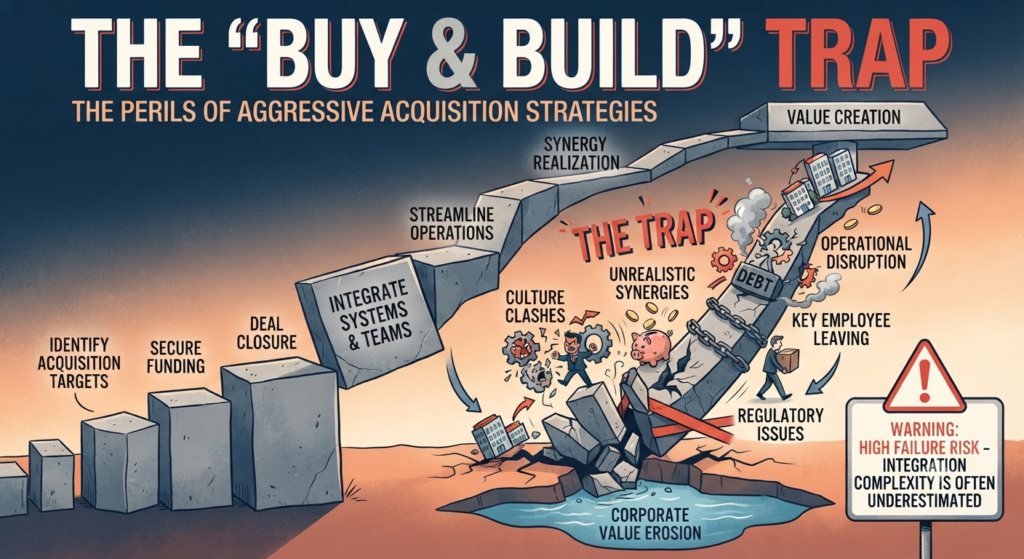
Many buyers fall into the trap of purchasing a cheap, used bike with the intention of “building it out.” They plan to swap the controller for a Torp or an X9000 and throw in a custom high-voltage battery.
Here is the math you need to consider:
- Used Bike Purchase: $2,800
- Aftermarket Controller (e.g., Torp/X9000): $1,100
- Custom High-Performance Battery: $2,000+
- Total Investment: ~$5,900+
By the time you finish this build, you have spent well over the cost of a brand-new, purpose-built competitor like the Talaria Sting R or the high-performance Ventus One.
Those factory bikes come with updated frames, improved gearboxes, and warrantied electronics designed to handle higher power outputs from the start.
Unless you are a hobbyist who specifically loves the process of custom fabrication, the “buy-and-build” route is almost always a financial mistake in 2026.